By Dex Monroe|March 18, 2026|March 18, 2026|4 min read|🤖 AI-assisted
Listen to article
50 Years Later, David Bowie's 'The Man Who Fell to Earth' Remains an Alien Classic
0:00 / 0:00
David Bowie's debut film role in 'The Man Who Fell to Earth' defied conventions, and 50 years later, its strangeness and beauty continue to resonate.
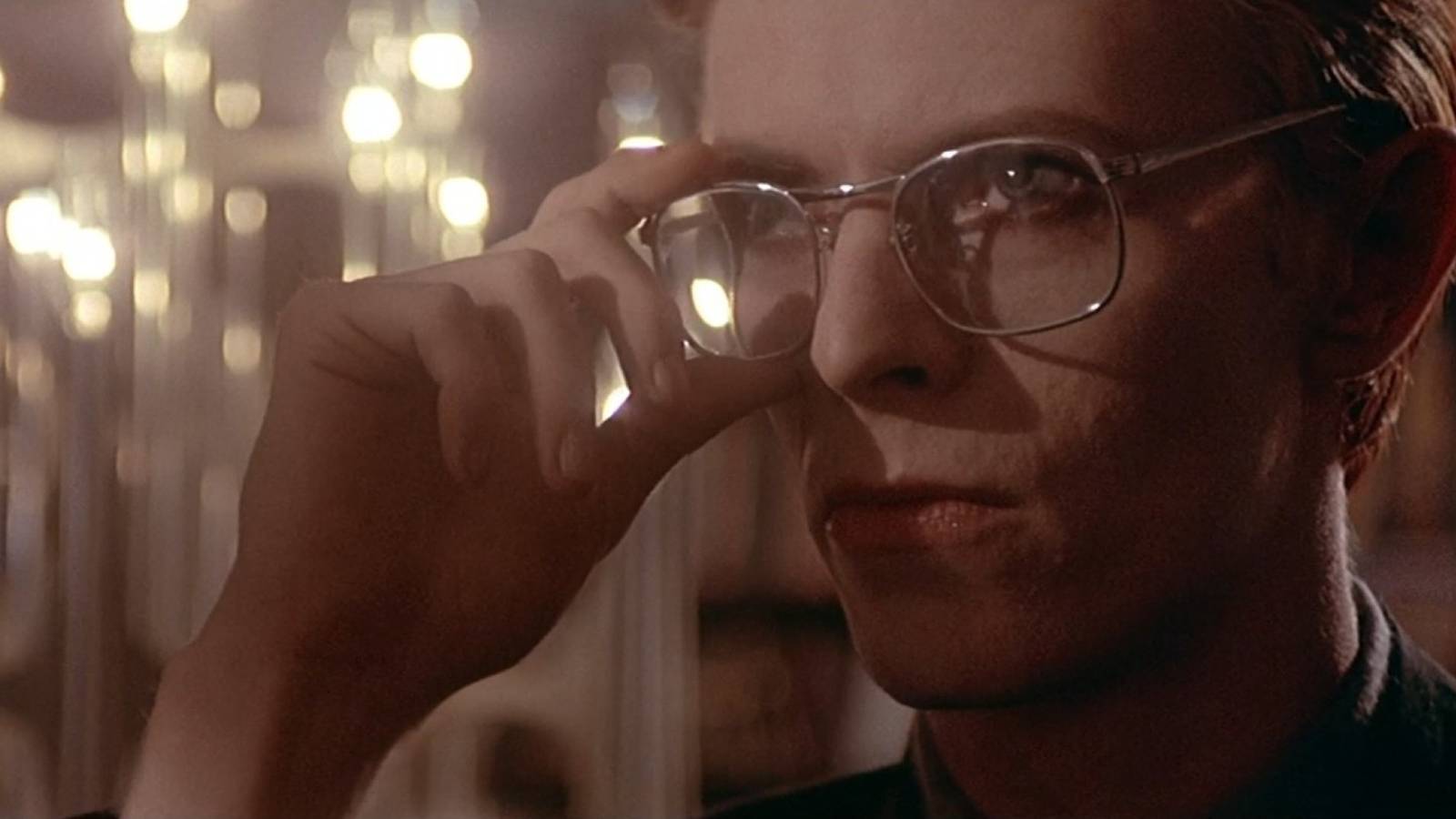
Fifty years ago, on March 18, 1976, David Bowie made a bold leap from the music stage to the silver screen with his role in Nicolas Roeg's sci-fi masterpiece, The Man Who Fell to Earth. The film, which casts Bowie as an extraterrestrial named Thomas Jerome Newton, defied the conventional paths of pop stars transitioning into cinema, leaving an indelible mark on both film and cultural history.
Unlike many artists who have dabbled in acting, often opting for roles that play off their celebrity or musical background, Bowie took an unconventional route. His portrayal in The Man Who Fell to Earth was not a showcase of his musical prowess but rather a deep dive into an alien narrative that paralleled his own enigmatic persona.
Bowie’s character, Newton, arrives on Earth on a mission to rescue his water-starved planet. He assumes the identity of a British businessman, patenting inventions derived from his home world to amass the wealth necessary for his grand plans. The film eschews Bowie's musical catalog, instead immersing viewers in a surreal journey that highlights the alienation and disconnection of modern life. This choice underscores a stark contrast between the artist’s vivid musical expressions and the muted, fragmented storytelling of the film.
Roeg's directorial approach is as unconventional as Bowie’s performance. The film's fragmented narrative structure challenges audiences, forcing them to piece together Newton's story amid Roeg's striking visuals and imagery. Critics have debated the impact of the film's lengthy runtime, originally at 140 minutes, and whether its later cuts diluted its impact. However, the film's disjointed style aligns perfectly with its themes of alienation and the struggle for connection in an increasingly complex world.
As the film progresses, Newton becomes entangled with a human, Mary-Lou (played by Candy Clark), who introduces him to the earthbound pleasures of sex and alcohol. This relationship serves as a poignant commentary on indulgence and the loss of purpose, as his mission becomes increasingly compromised by the distractions of this new world. The film suggests that the very vices designed to enrich human experience may ultimately derail his extraterrestrial objectives.
While Bowie’s subsequent roles showcased his versatility as an actor — from the darkly whimsical Jareth in Labyrinth to the more serious Nikola Tesla in The Prestige — The Man Who Fell to Earth remains a unique entry in his filmography. It captures a moment when Bowie was at the peak of his creative powers, seamlessly blending his musical identity with a cinematic vision that was both strange and beautiful.
The legacy of The Man Who Fell to Earth is palpable even today, influencing a generation of filmmakers and artists. Its exploration of identity, consumerism, and alienation resonates strongly in contemporary discourse. The themes explored in Roeg's film are eerily prescient, echoing questions about technology, culture, and human connection that continue to permeate our society.
As we reflect on the film's impact after half a century, it stands as a testament to Bowie’s artistry and the boundless possibilities of storytelling. The Man Who Fell to Earth remains a cultural artifact that defies easy categorization, inviting viewers to ponder the complexities of existence in both the human and alien realms.
In the end, Bowie's first major film role was not just a departure from music but a bold statement about the nature of identity and the human experience. The Man Who Fell to Earth, now a timeless classic, is a reminder of Bowie's extraordinary ability to transcend mediums, leaving a lasting imprint that continues to inspire and intrigue.
As we celebrate this milestone, the film's ethereal quality invites new generations to discover its wonders, ensuring that David Bowie's extraordinary journey — both on and off the screen — will never truly fade into the cosmos.
Tags
#David Bowie#The Man Who Fell to Earth#Nicolas Roeg#film history#sci-fi
'MAFS' Scandal Explodes: Calls for Change in Reality TV Culture
The fallout from the ‘Married at First Sight UK’ scandal intensifies, revealing troubling welfare issues and raising questions about reality TV ethics.
By Dex Monroe · 3 min read
17h ago
Aya Nakamura Teams Up with Yves Salomon for Dazzling Paris Concert Outfits
Aya Nakamura's highly anticipated Paris concerts are set to showcase stunning stage outfits crafted by renowned designer Yves Salomon, just as she launches a new Nike collaboration.
By Dex Monroe · 3 min read
1d ago
Mackenzie Shirilla Appeals Murder Conviction to Ohio Supreme Court
Mackenzie Shirilla is making headlines once again as she appeals her murder conviction, seeking a fresh evaluation from Ohio's highest court.
By Dex Monroe · 3 min read
1d ago
Italian Powerhouses Join Forces for Adaptation of ‘The Baron in the Trees’
Mario Gianani and Lorenzo Mieli's Our Films are teaming with Oscar-nominated director Alice Rohrwacher to bring Italo Calvino's beloved novel to the big screen.