Listen to article
Why Your Next Phone and Laptop Just Got More Expensive
The AI revolution is driving a memory shortage crisis that's pushing consumer electronics prices through the roof. Here's what it means for your next tech purchase.
The Perfect Storm: Why Memory Shortages Are Crippling Consumer Tech
Artificial intelligence has officially eaten the semiconductor industry alive. What started as a promising revolution in consumer electronics has morphed into a supply chain nightmare that's pushing everyday tech prices through the roof. If you've been wondering why that new laptop costs $200 more than last year's model, you're witnessing the AI memory shortage crisis firsthand.
Gartner's latest reports paint a sobering picture: PC shipments are projected to plummet 10.4% in 2026, while smartphone sales could drop 8.4%. The culprit? AI companies are hoarding memory chips like digital gold, leaving traditional consumer electronics manufacturers scrambling for scraps.
What's Really Happening Behind the Scenes
The problem isn't just demand—it's geography and geopolitics colliding with cutting-edge technology. NVIDIA's dominance in AI chips has created a bottleneck that ripples through every corner of the tech industry. When major AI companies need hundreds of thousands of high-bandwidth memory (HBM) chips for their data centers, consumer electronics get pushed to the back of the line.
"We're seeing memory allocation that would typically go to consumer products being redirected to AI infrastructure," explains semiconductor analyst Sarah Chen from TechInsight Research. "The profit margins on AI chips are simply too attractive for manufacturers to ignore."
Recent geopolitical tensions haven't helped. Reports of U.S. employees allegedly smuggling NVIDIA chips to China have tightened export controls, further constraining an already strained supply chain. Meanwhile, smartphone manufacturers like Apple and Samsung find themselves competing with OpenAI and Google for the same memory components.
How This Affects Your Next Tech Purchase
The immediate impact hits your wallet directly. Budget gaming laptops under $1000 are becoming increasingly rare as manufacturers can't secure affordable memory at scale. What used to be a $700 laptop with 16GB RAM now costs $900 with 8GB—if you can find it in stock.
Smartphone prices are following the same trajectory. Flagship phones are pushing $1,400+ while mid-range options strip features to hit previous flagship price points. The iPhone 15 series represents this trend perfectly—premium pricing for what were once standard memory configurations.
Smart Shopping Strategies for 2026
If you need to upgrade your tech arsenal this year, timing and strategy matter more than ever. Consider these approaches:
Upgrade Existing Devices First: Before buying new, maximize what you have. RAM upgrades and external SSDs can extend your current laptop's life by 2-3 years. A $150 memory upgrade beats a $1,500 new laptop.
Consider Refurbished Premium Options: Refurbished MacBook Pro models from 2022-2023 often deliver better value than new budget laptops with compromised specs. Apple's refurbishment program maintains quality while dodging current supply chain issues.
Embrace Alternative Form Factors: Gaming handhelds like the Steam Deck or upcoming competitors offer console-quality gaming without competing directly with AI companies for the latest memory tech.
The Mobile Gaming Revolution Nobody Saw Coming
Interestingly, the memory shortage has accelerated an unexpected trend: premium mobile gaming. As gaming laptops become prohibitively expensive, manufacturers are pivoting to gaming-focused smartphones that can deliver console-quality experiences.
Companies like ASUS and Razer are betting that mobile gaming plus cloud streaming can replace traditional PC gaming for many users. Their latest gaming phones pack flagship processors with optimized cooling systems, potentially making that $1,200 gaming phone more sensible than a $2,000 gaming laptop.
When Will This End?
Industry insiders suggest the memory shortage crisis won't resolve until late 2027 at the earliest. New memory fabrication facilities take 2-3 years to come online, and current demand from AI companies shows no signs of slowing.
Samsung and TSMC have announced major memory production expansions, but these won't meaningfully impact consumer prices until 2028. In the meantime, consumers need to adapt their buying behavior to this new reality.
Making the Best of a Difficult Situation
The AI revolution was supposed to make our devices smarter and more efficient. Instead, it's made them more expensive and harder to find. But with strategic thinking, you can still build a powerful tech setup without breaking the bank.
Focus on versatility over cutting-edge specs. A good 2-in-1 tablet-laptop hybrid might serve you better than separate devices. Consider cloud gaming controllers paired with game streaming services instead of expensive gaming rigs.
The memory shortage crisis represents a fundamental shift in how we think about consumer technology. AI didn't just change software—it restructured the entire hardware ecosystem. Understanding this new landscape is the key to making smart tech purchases in an increasingly complex market.
As Amazon Associates, we earn from qualifying purchases.
Tags
Source: finance.yahoo.com
Share
More in Tech

Xbox Game Pass Price Cut Sparks Subscriber Revival, Says Asha Sharma
Microsoft’s price cut for Xbox Game Pass is reportedly boosting subscriber activity, but new head Asha Sharma warns it’s just the beginning of a long journey.
By Dex Monroe · 4 min read

AI Tensions Erupt at The New York Times as Unionized Tech Workers Push Back
Unionized tech employees at The New York Times are raising alarms over the use of AI performance tracking tools, claiming violations of their contract as tensions escalate within the newsroom.
By Dex Monroe · 4 min read

Racing Game Revolution on the Horizon? Gavin Raeburn's Bold New Venture
Playground Games co-founder Gavin Raeburn hints at a new chapter in racing games, aiming to challenge the dominance of Forza Horizon while pushing the genre forward.
By Dex Monroe · 4 min read
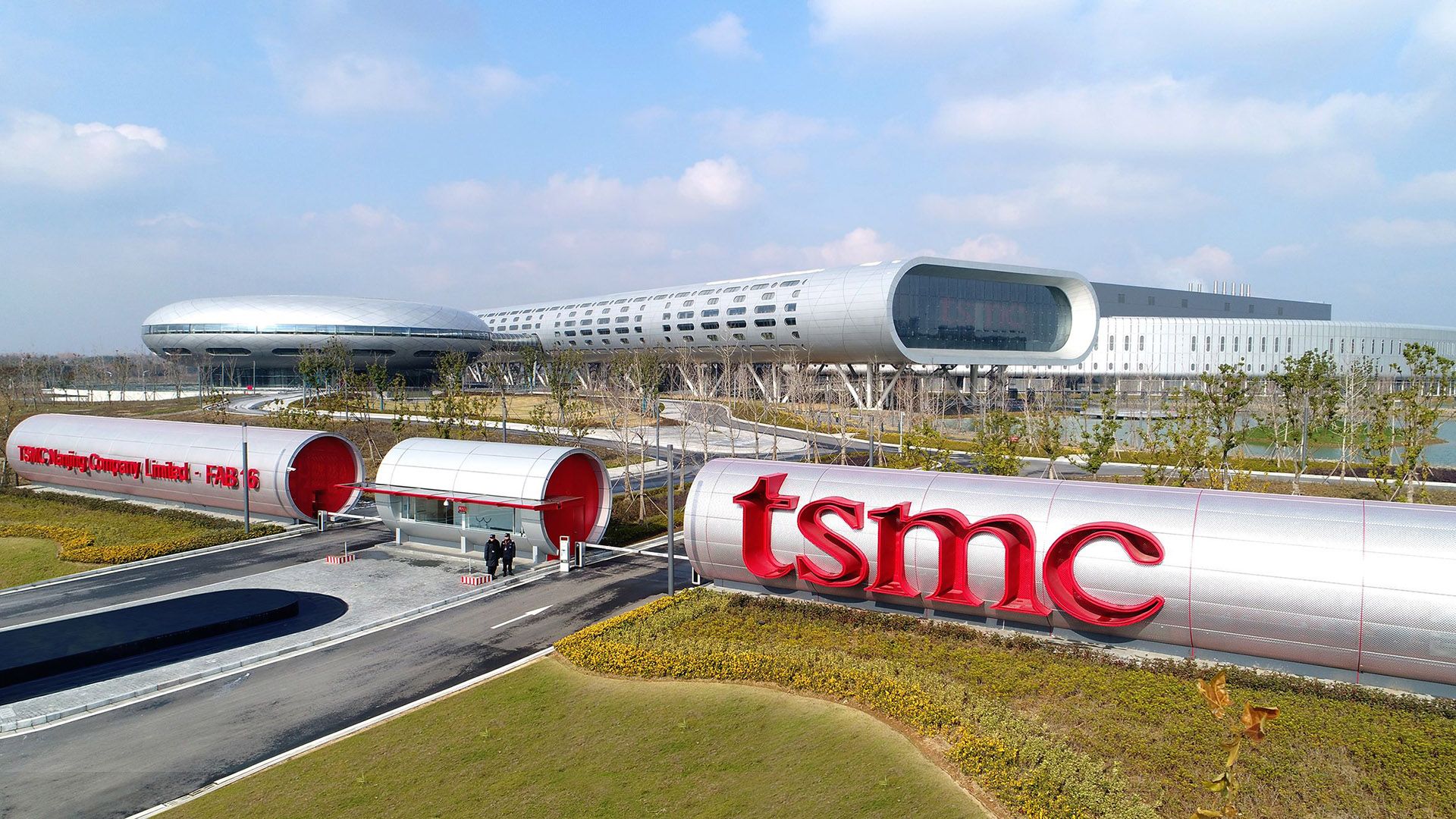
TSMC Workers Threaten Strike Over Bonus Cuts Amid Record Profits
Employees at TSMC are rallying against proposed bonus cuts despite the company's booming profits, echoing labor unrest at Samsung in South Korea.
By Dex Monroe · 4 min read