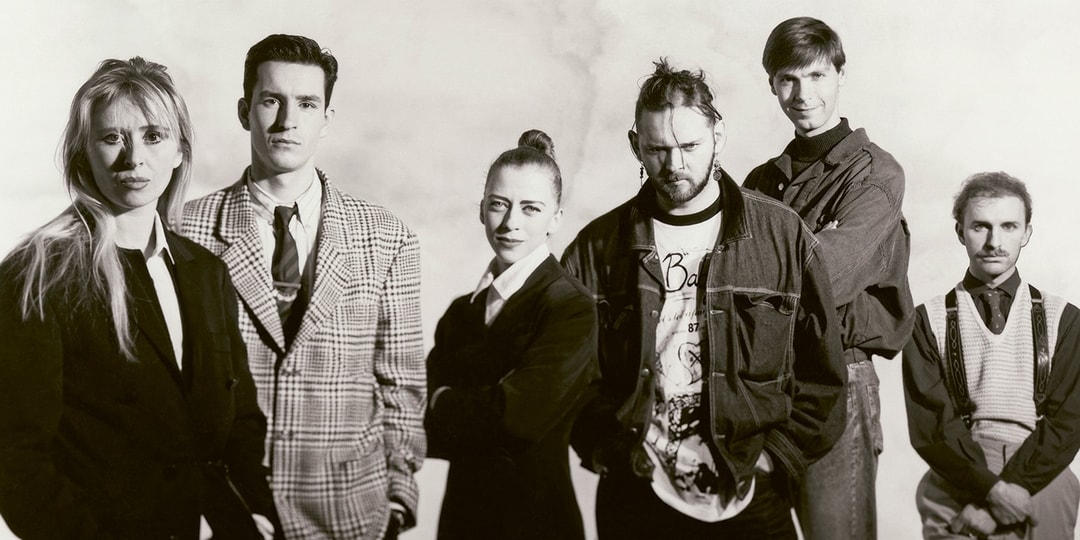
Antwerp Six: The Myth and Legacy of Fashion’s Unlikely Collective
4 min listen
The Antwerp Six redefined fashion in the 1980s, but a new exhibition reveals the myth behind the name and its deeper cultural significance.
In the realm of contemporary fashion, the term "Antwerp Six" resonates like a brand unto itself, conjuring images of avant-garde designs and radical creativity. Yet, as a new exhibition at MoMu reveals, the real story behind this iconic collective is far more complex than a neatly packaged narrative. Marking 40 years since their groundbreaking debut at the British Designer Show in 1986, the exhibition titled "The Antwerp Six" offers a fresh lens on how this fleeting collaboration morphed into a lasting fashion phenomenon.
Curator Romy Cockx, who is instrumental in revisiting the Antwerp Six's legacy, asserts that the very concept of the Antwerp Six is a construction—one that obscures as much as it reveals. "The Antwerp Six never really existed in the way we think it did," Cockx states, highlighting the disparity between the myth and the reality of the designers' experiences. Though the six—Ann Demeulemeester, Dries Van Noten, Walter Van Beirendonck, Dirk Bikkembergs, Dirk Van Saene, and Marina Yee—were contemporaries, their collaboration was more a matter of logistics than a cohesive movement.
The story begins with a shared van, a bunch of young designers and their collections packed tightly as they made their way to London. The excitement of showcasing their work soon turned to surprise when they found themselves relegated to a second-floor space, overshadowed by bridalwear and latex. Taking matters into their own hands, they distributed flyers, created buzz, and ultimately caught the attention of Barneys New York. The impact was nothing short of revolutionary, altering the course of contemporary fashion.
However, the exhibition pushes viewers to recognize that the Antwerp Six were not united by a singular vision or manifesto. Instead, it was their proximity and friendship that brought them together at that pivotal moment. Their individual practices and distinct aesthetics diverged significantly, yet they reinforced one another’s presence, echoing a sentiment within the fashion community that shared visibility could amplify their voices.
Cockx stresses that this alliance was less about shaping an identity or brand and more about practical considerations. The designers needed a way to navigate the complex and often exclusionary fashion industry. By pooling their resources, they effectively carved out space for themselves—albeit briefly—within a rapidly changing cultural landscape.
The exhibition goes beyond mere nostalgia, contextualizing the Antwerp Six within the broader socio-economic shifts of the late 1970s and early 1980s. Fashion was entering a new era, marked by a surge of creativity and innovation. The designers each brought their unique perspectives but were also responding to the evolving demands of the market and the cultural zeitgeist.
The narrative of the Antwerp Six has morphed over time, evolving into an emblem of the avant-garde. However, the show encourages visitors to appreciate the truth behind the myth. It challenges the conventional wisdom that binds these designers into a singular identity, instead revealing them as six distinct talents navigating their paths while occasionally intersecting.
As the exhibition unfolds, it serves as a reminder that the world of fashion is often shaped by collective experiences, yet defined by individual narratives. The Antwerp Six may have emerged as a fleeting alignment of six individuals, but their influence on the fashion landscape is undeniable and continues to inspire future generations of designers.
With the Antwerp Six, we are reminded that myths can be powerful catalysts for change, but they can also obscure the complexities of collaboration. As we look back on this moment in fashion history, Cockx’s exhibition invites us to reconsider what we think we know about the Antwerp Six. It’s not just a story of design; it’s a testament to the multifaceted nature of creativity in an ever-evolving industry.
The exhibition at MoMu is not just a celebration of the Antwerp Six but a critical exploration of the narratives that shape our understanding of fashion. In doing so, it reinvigorates the conversation around the mythic status of these designers, urging us to delve deeper into the rich tapestry of their legacies.
For anyone passionate about fashion, history, or culture, this is an exhibit that cannot be missed—it’s a chance to engage with the past while reflecting on the ongoing evolution of style and identity in the world of design.
Explore the exhibition and learn more about the Antwerp Six at MoMu, where the myth continues to live on.
Casablanca and Ladurée Serve Up a Sweet Summer Collaboration
Casablanca and Ladurée's new collaboration brings together chic fashion and delectable desserts, launching ahead of summer with a limited-time capsule collection.
By Dex Monroe · 3 min read
BREAKING6d ago
Michael Jordan's Iconic Air Jordan 4 Retro 'Tour Yellow' Makes a Comeback After 20 Years
The Air Jordan 4 Retro 'Tour Yellow,' one of the most sought-after colorways, is making its long-awaited return, 20 years after its debut. Here's everything you need to know about the reissue.
By Dex Monroe · 4 min read
May 19, 2026
SCAD's Fall 2026 Ready-to-Wear Collection: A Bold Step into the Future
The Savannah College of Art and Design showcases an eye-popping Fall 2026 Ready-to-Wear collection, where trauma meets optimism on the runway.
By Dex Monroe · 3 min read
April 19, 2026
Yumi Shin Takes the Helm at Nordstrom: A Game-Changer for Luxury Retail
Yumi Shin’s appointment at Nordstrom marks a strategic pivot as the retailer bolsters its luxury offerings amid heightened competition in fashion retail.