By Dex Monroe|April 5, 2026|April 5, 2026|4 min read|🤖 AI-assisted
Listen to article
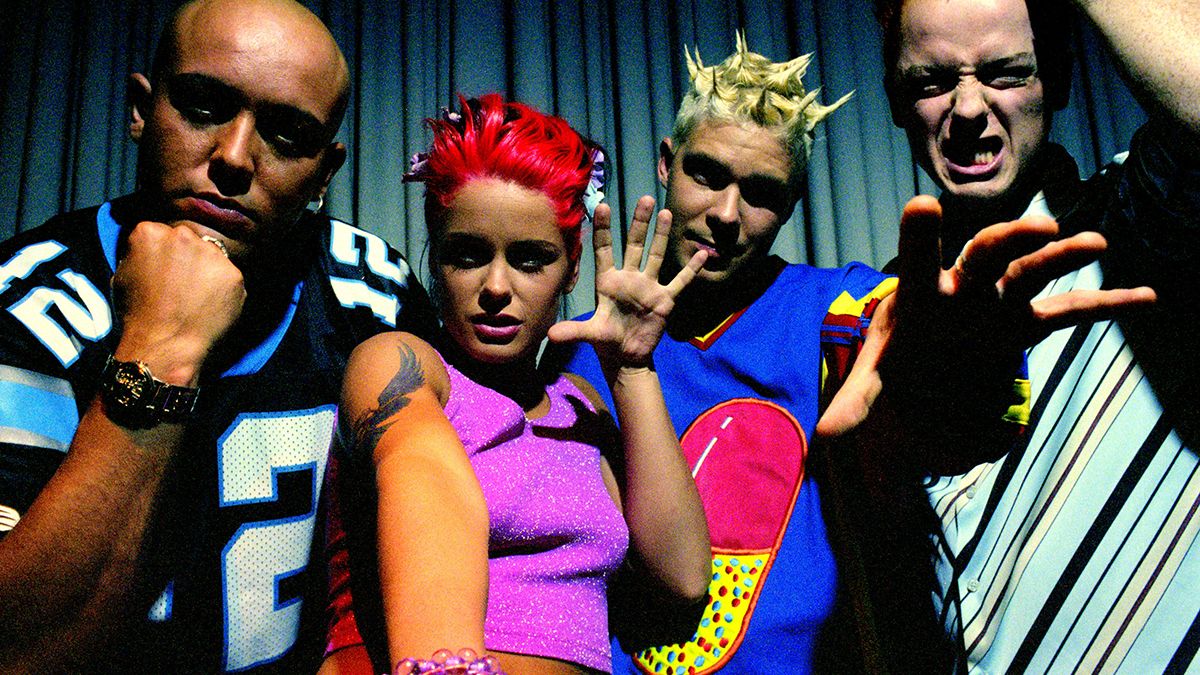
Aqua Reveals the Secret World Behind "Barbie Girl" — A ’90s Pop Classic
4 min listen
Aqua’s iconic hit "Barbie Girl" was a playful pop sensation that sold over 30 million copies worldwide, but its origins reveal a tale of secrecy and self-assuredness.
In the annals of ’90s pop music, few tracks have left as indelible a mark as Aqua’s “Barbie Girl.” Bursting onto the scene in 1997, the song became a global phenomenon, selling over 30 million copies and surfacing in countless playlists as a nostalgic earworm. But what many fans may not know is that the cheerful façade of the track came with a layer of secrecy and a distinctly tongue-in-cheek approach to music-making.
In a recent discussion reflecting on their career, Aqua’s members, Søren Rasted, Claus Norreen, Lene Nystrøm, and René Dif, shared insights into their creative process during the inception of “Barbie Girl.” Rasted revealed that, in the early stages, they referred to the song with the somewhat ludicrous placeholder title “Burger King.” The decision to keep the actual title under wraps was born from a desire to protect their unique concept. “We were very secretive about the song title. It was such a great idea and we didn’t want anyone else to know about it,” Rasted explained.
This playful secrecy aligns with the essence of Aqua’s distinctive sound. The group began their journey in 1989, aiming to break the mold of the traditional Eurodance genre. They incorporated elements of hardcore dance while simultaneously crafting pop melodies that felt almost fantastical. As Norreen noted, their goal was to create songs that could be likened to fairytales, evident in the whimsical lyrics of “Barbie Girl” and other hits like “Doctor Jones.”
What sets Aqua apart from many of their contemporaries is their unabashed embrace of the absurd. Rasted stated, “We never had the urge to be credible. Most bands suffer because they want that. We never did — it’s just not us!” This ethos is on full display in “Barbie Girl,” where the lyrics blend innocent playfulness with a satirical edge, sparking both joy and controversy. The song’s upbeat melody contrasts sharply with its commentary on consumer culture and gender roles, making it a clever critique wrapped in bubblegum pop.
Visually, Aqua’s aesthetic also contributed to their success. Their colorful music videos, filled with eye-catching visuals and humorous scenarios, complemented their quirky sound. The combination of Nystrøm’s sweet vocals and Dif’s dynamic rap sections offered a refreshing twist to the typical Eurodance formula of the time, which often relied on a pretty singer paired with an aggressive rapper. Their unique blend helped to redefine pop music in a way that resonated with both children and adults alike.
The success of “Barbie Girl” catapulted Aqua to international stardom, but it was not without its challenges. The song faced backlash and legal battles, including a notable lawsuit from Mattel, the makers of Barbie. The controversy only fueled interest in the track, showcasing the fine line Aqua walked between playful homage and commercial critique.
Musically, the group’s strategy of melding traditional pop structure with dance music was pivotal to their identity. Rasted explained, “We liked the sound and the energy from dance music, but we were writing classical pop songs with a verse and a chorus, not just a short hook like a lot of dance music.” This hybrid approach not only contributed to their chart-topping success but also helped establish a legacy that has inspired countless artists in the years since.
Today, “Barbie Girl” remains a cultural touchstone, frequently resurfacing in memes, remixes, and nostalgia-driven playlists. Its impact is undeniable, serving as a reminder of a time when pop music was not just about credibility, but also about having fun and pushing boundaries.
As Aqua continues to perform and reminisce about their glory days, the story of “Barbie Girl” stands as a testament to creativity unbound by convention. It’s a playful jab at the absurdities of modern life, wrapped in catchy hooks and vibrant visuals. For a generation, Aqua crafted an anthem that remains as relevant today as it was over two decades ago, proving that sometimes, it’s perfectly acceptable not to take yourself too seriously.
Whether you’re a long-time fan or a newcomer to the world of Aqua, one thing is clear: “Barbie Girl” is not just a song; it’s a cultural moment that continues to resonate through the ages.
Man Sentenced to 12 Years for Terror Plot Targeting Taylor Swift's Vienna Concerts
A man linked to a foiled terror plot aimed at Taylor Swift's Eras Tour concerts in Vienna has been sentenced to 12 years in prison, as authorities uncover the chilling details of the planned attack.
By Dex Monroe · 3 min read
1d ago
Bruce Springsteen’s Tour Becomes a Rallying Cry for Activism
Bruce Springsteen’s Land of Hope and Dreams tour is more than just a series of concerts; it’s a powerful platform for over 20 activist organizations advocating for democracy and human rights across America.
By Dex Monroe · 4 min read
1d ago
Manuel Carrasco Unveils ‘Pueblo Salvaje I’: A Journey to the Roots of Flamenco
Manuel Carrasco’s latest release, ‘Pueblo Salvaje I,’ dives deep into his Spanish heritage, featuring collaborations with Juanes and Kany García. Discover the flamenco-infused soundscapes that mark this intimate album.
By Dex Monroe · 4 min read
3d ago
Kanye West's Istanbul Concert Set to Generate $100 Million in Tourism Revenue
Kanye West's highly anticipated concert in Istanbul is expected to draw a massive crowd and bring in up to $100 million in tourism revenue, marking his first return to Turkey in over a decade.