By Dex Monroe|April 5, 2026|April 5, 2026|4 min read|🤖 AI-assisted
Listen to article
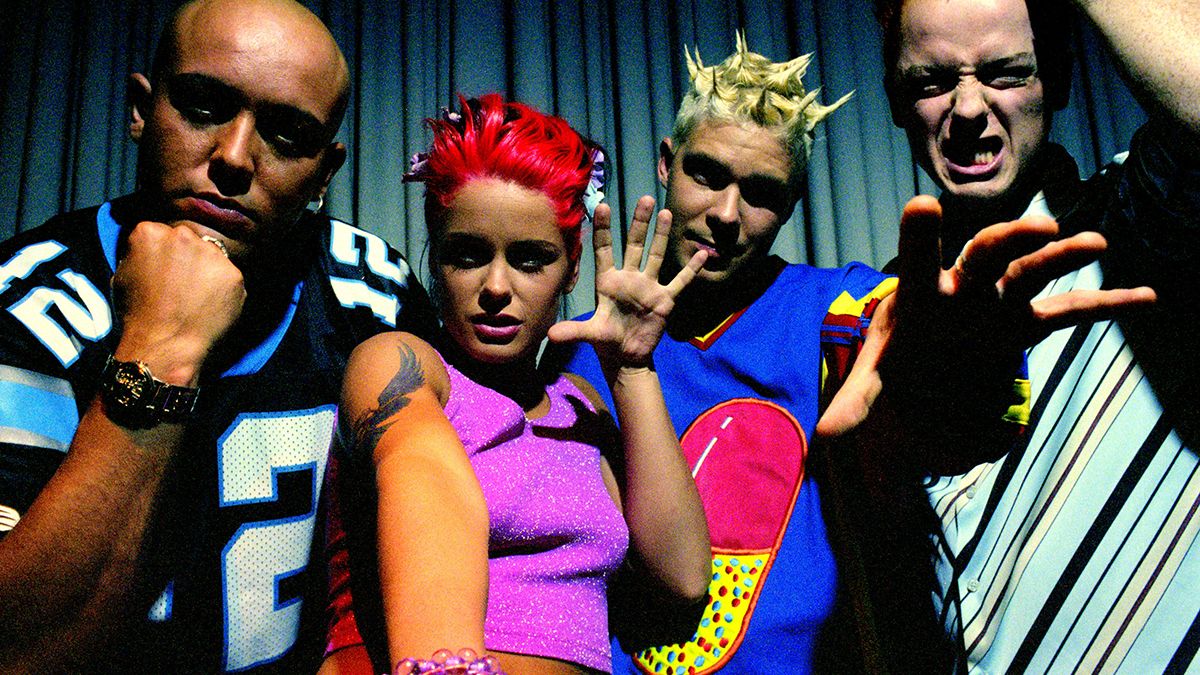
Behind the Curtain: The Story of Aqua’s Iconic 'Barbie Girl'
4 min listen
Aqua’s ‘Barbie Girl’ isn’t just a pop classic; it’s a cultural phenomenon. The band reveals the secretive origins of their controversial 90s hit that turned Barbie into a banger.
In the whirlwind of the 1990s pop music scene, few songs have left as indelible a mark as Aqua’s “Barbie Girl.” Released in 1997, the track not only topped charts around the world but also ignited debates about commercialism, credibility, and the very nature of pop music itself. Now, two decades later, the band has shed light on the creation of this controversial hit, revealing a surprising backstory that resonates with their playful approach to music.
Aqua was formed in 1989 by Danish-Norwegian duo Søren Rasted and Claus Norreen, along with vocalists Lene Nystrøm and René Dif. The quartet’s journey from underground dance tracks to global pop icons began with a desire to craft something unique – a departure from the prevalent sound of the time. "We started out doing very hardcore dance,” Rasted recalled in a recent interview. “But we became more pop,” emphasizing their aim to weave fairytale-like narratives into their songs.
The genesis of “Barbie Girl” is marked by a sense of secrecy and playful deception. “We were very secretive about the song title,” Rasted admitted. “It was such a great idea, and we didn’t want anyone else to know about it. So for a long time we called the song ‘Burger King!’” This quirky tactic reflects the band’s need to maintain their creative edge in an industry rife with imitation.
What sets Aqua apart from their contemporaries is their unapologetic embrace of pop culture. “We never had the urge to be credible,” Rasted stated bluntly. “Most bands suffer because they want that. We never did – it’s just not us!” This ethos allowed them to explore a sound that fused cheeky lyrics with infectious melodies, embracing the campy iconography of their era.
"Barbie Girl" was a masterclass in juxtaposition. Combining the sugary sweetness of doll-like fantasies with an upbeat Euro-dance sound, the track catapulted Aqua into the stratosphere of pop stardom. The song's catchy chorus and playful lyrics masked an underlying commentary on materialism and femininity, making it a complex anthem of its time.
Despite its success, the song has faced its fair share of controversy, particularly over its portrayal of Barbie. The backlash culminated in a lawsuit from Mattel, claiming the song distorted the brand's image. Aqua navigated this storm with ease, leveraging the attention to bolster their notoriety. “We loved the sound and the energy from dance music,” Norreen noted, “but we were writing classical pop songs with a verse and a chorus.” This blend was crucial in carving out Aqua’s identity and ensuring their place in pop history.
The band's visuals played a key role in their appeal, with music videos that were vibrant, tongue-in-cheek, and utterly memorable. In a time when boy bands and girl groups dominated, Aqua dared to be different. They infused their performances with humor and a distinct aesthetic, creating an experience that transcended mere listening.
As the years have passed, "Barbie Girl" remains a staple of pop culture, often resurrected in memes, commercials, and nostalgia-driven playlists. It embodies the spirit of the 90s, a decade defined by bold experimentation and unabashed fun. Aqua's legacy continues to influence new generations of artists who look to capture that same blend of irony and infectious pop.
In retrospect, Aqua's journey with “Barbie Girl” serves as a reminder that music doesn’t always have to be serious to be impactful. In a world where credibility often overshadows creativity, Aqua’s approach stands as a refreshing contrast. The band, with their whimsical sound and vibrant visuals, showed that sometimes, the most audacious ideas are the ones that resonate the loudest.
With over 30 million albums sold worldwide, Aqua has proven that there’s power in pop. As they reflect on their groundbreaking hit, it’s clear that their legacy is not just about catchy tunes but also about challenging conventions and embracing the playful side of music.
Man Sentenced to 12 Years for Terror Plot Targeting Taylor Swift's Vienna Concerts
A man linked to a foiled terror plot aimed at Taylor Swift's Eras Tour concerts in Vienna has been sentenced to 12 years in prison, as authorities uncover the chilling details of the planned attack.
By Dex Monroe · 3 min read
1d ago
Bruce Springsteen’s Tour Becomes a Rallying Cry for Activism
Bruce Springsteen’s Land of Hope and Dreams tour is more than just a series of concerts; it’s a powerful platform for over 20 activist organizations advocating for democracy and human rights across America.
By Dex Monroe · 4 min read
1d ago
Manuel Carrasco Unveils ‘Pueblo Salvaje I’: A Journey to the Roots of Flamenco
Manuel Carrasco’s latest release, ‘Pueblo Salvaje I,’ dives deep into his Spanish heritage, featuring collaborations with Juanes and Kany García. Discover the flamenco-infused soundscapes that mark this intimate album.
By Dex Monroe · 4 min read
3d ago
Kanye West's Istanbul Concert Set to Generate $100 Million in Tourism Revenue
Kanye West's highly anticipated concert in Istanbul is expected to draw a massive crowd and bring in up to $100 million in tourism revenue, marking his first return to Turkey in over a decade.