By Dex Monroe|June 3, 2026|6h ago|4 min read|🤖 AI-assisted
Listen to article
Disney Lowers Super Bowl Ad Prices Amid Advertiser Tensions
0:00 / 0:00
Disney is scaling back its Super Bowl ad pricing, dropping the cost for a 30-second spot to $8 million following negotiations with advertisers.
In a surprising turn of events, Disney has slashed the price of 30-second Super Bowl advertising spots to $8 million, down from its initial ask of $10 million. This decision follows intense negotiations with advertisers and signals a shift in the landscape of sports advertising as the industry grapples with budgetary constraints.
Disney's original plan sought to capitalize on its Super Bowl LXI broadcast slated for 2027, hoping to lure advertisers with a hefty price. However, feedback from media buyers highlighted a growing resistance to inflated advertising costs, leading Disney to reassess its strategy. According to sources familiar with the negotiations, this price adjustment reflects a broader trend where advertisers are increasingly hesitant to pay top dollar for sports spots, even in the high-stakes arena of the Super Bowl.
The move underscores the precarious balance in the advertising world, especially as it pertains to sports programming. Despite the Super Bowl's status as a premier event attracting millions of viewers, the changing dynamics of consumer behavior and the rise of streaming platforms have complicated the traditional advertising model. Advertisers are now more cautious and selective about where they allocate their budgets, pushing back against premium pricing that once seemed invulnerable.
Disney's willingness to compromise on pricing illustrates the pressures that major media networks face to secure ad revenue in an evolving marketplace. As more viewers shift to streaming services, the reliance on conventional advertising models — where big-ticket events like the Super Bowl commanded premium prices — is being challenged.
While Disney still holds considerable sway as a media powerhouse, the move to lower its ad rates may indicate a recognition that the golden days of unquestioned super-pricing for sports ads may be dwindling. With advertisers now wielding more power to negotiate, the once untouchable pricing structure for the Super Bowl may need to adapt to stay relevant.
Additionally, this shift comes at a time when many advertisers are reassessing their spending priorities amid broader economic concerns. As inflationary pressures continue to affect budgets, companies are scrutinizing their marketing expenditures more closely than ever. The result is an atmosphere of cautious optimism, with advertisers seeking value and returns on investment rather than merely brand visibility.
Disney's revised pricing is expected to attract a wider range of advertisers who may have previously balked at the original price point. The potential for increased participation could benefit both Disney and the advertisers looking to capitalize on the massive viewership that the Super Bowl brings.
As the negotiations play out, it's becoming clear that the advertising landscape is evolving. Advertisers' expectations are shifting, and the demand for accountability and measurable returns is more pronounced than ever. Disney's concession may just be a glimpse into the future of how media companies will need to adapt their pricing strategies to accommodate these changes.
In the coming months, all eyes will be on Disney and its ability to fill the remaining advertising slots for the Super Bowl. The successful sale of these spots at the new price point could validate the company's approach and set a precedent for future sports advertising deals. As the Super Bowl approaches, the stakes are high not only for Disney but for the entire advertising industry as it seeks to navigate a rapidly changing landscape.
In conclusion, Disney's move to lower Super Bowl ad prices is not just a reaction to advertiser pushback but a reflection of the broader shifts within the media and advertising sectors. As the industry adapts to new realities, the question remains: how will this reshape the future of sports advertising? Only time will tell, but one thing is certain — the game is changing, and those who play will need to evolve or risk being left behind.
With the Super Bowl just around the corner, expect more developments as Disney juggles advertiser demands and the need for revenue. The outcome could redefine how companies approach advertising during one of the biggest sporting events of the year.
Jake Dexter Joins Range Sports as VP of Sports Content, Promising Fresh Direction
Industry veteran Jake Dexter has been appointed as vice president of sports content at Range Sports, signaling a new era for the talent representation firm.
By Dex Monroe · 3 min read
2d ago
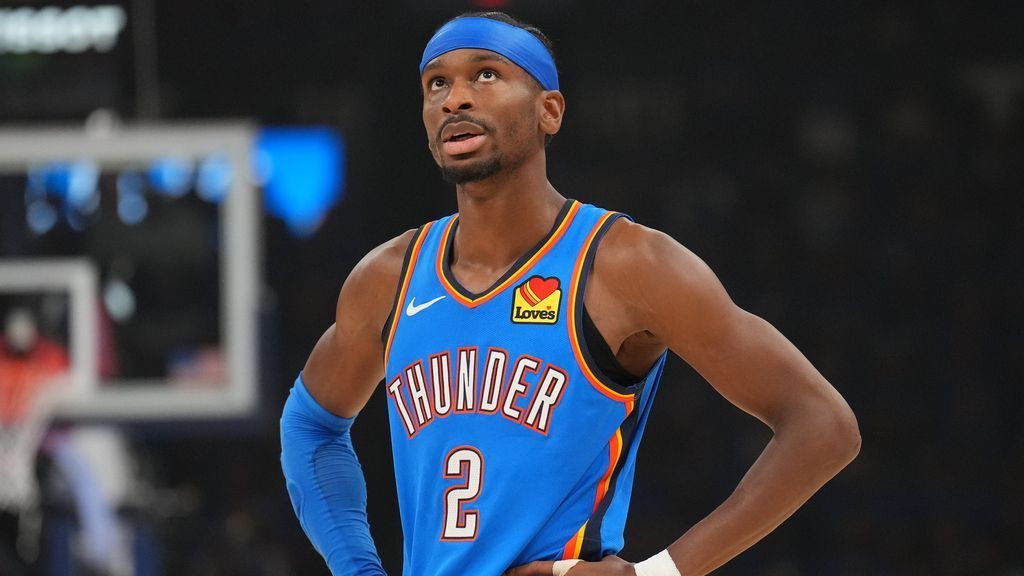
Shai Gilgeous-Alexander Declares MVP Season a 'Failure' After Thunder's Playoff Exit
Shai Gilgeous-Alexander voiced disappointment, labeling his back-to-back MVP season as a “failure,” igniting debate over what defines success in the NBA.
By Dex Monroe · 4 min read
3d ago
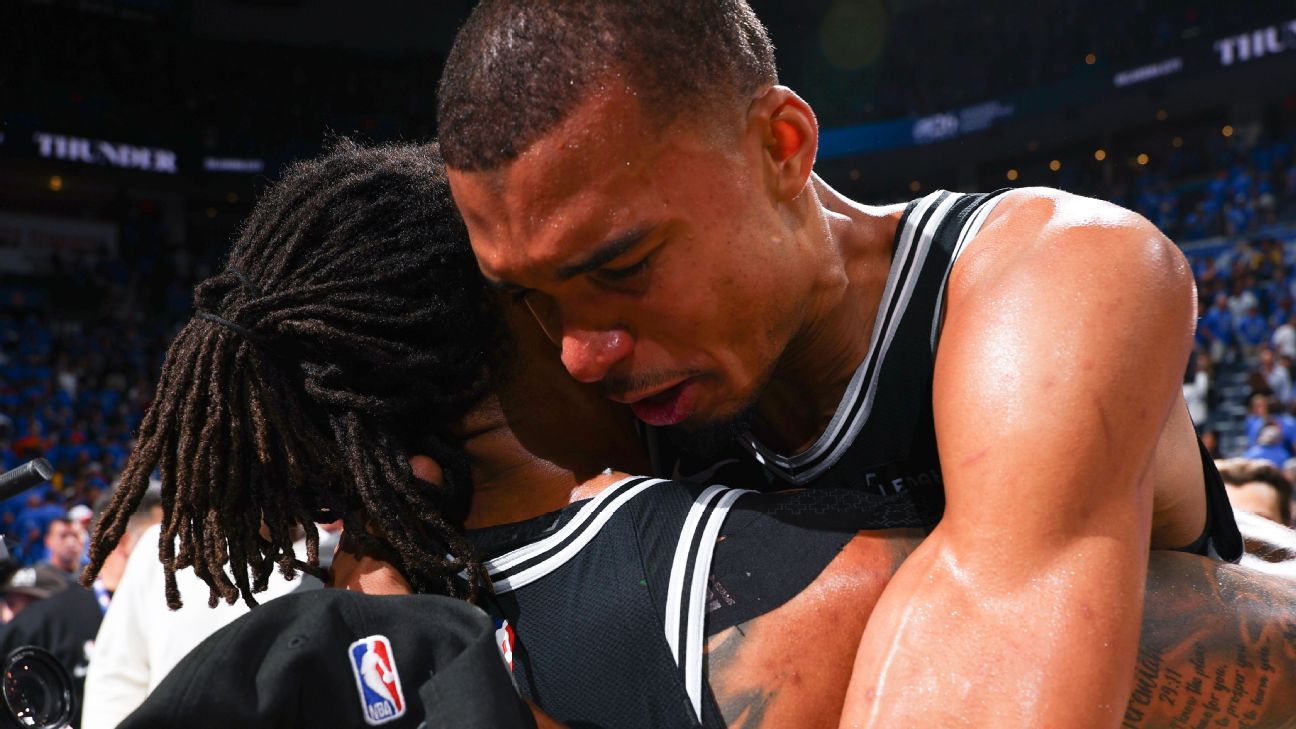
Victor Wembanyama Rockets Spurs to Finals, Fulfilling Childhood Dream
In a thrilling Game 7, the San Antonio Spurs triumphed over the defending champion Oklahoma City Thunder, fueled by a scintillating performance from Victor Wembanyama, inching closer to his childhood dream of an NBA championship.
By Dex Monroe · 4 min read
3d ago
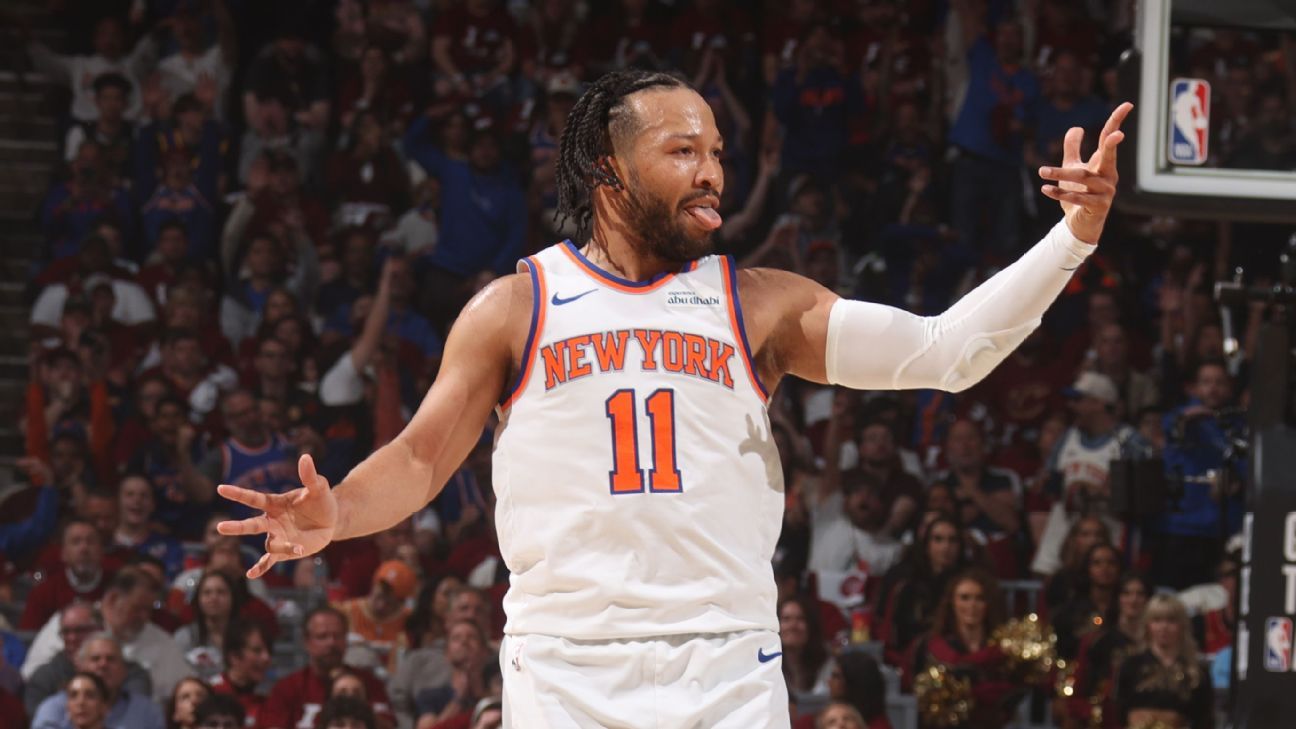
Knicks Draws Heavy Betting Action for NBA Finals Glory
With nearly half of all bets placed on the New York Knicks to win the NBA Finals, the team's fanbase is more confident than ever. What does this surge in betting mean for the franchise and its followers?