By Dex Monroe|April 12, 2026|April 12, 2026|4 min read|🤖 AI-assisted
Listen to article
NBA’s Speedy Game: Faster Isn’t Always Better
4 min listen
In a league obsessed with pace, recent analysis reveals that playing faster could be counterproductive for NBA teams. As the game accelerates, are teams sacrificing strategy for speed?
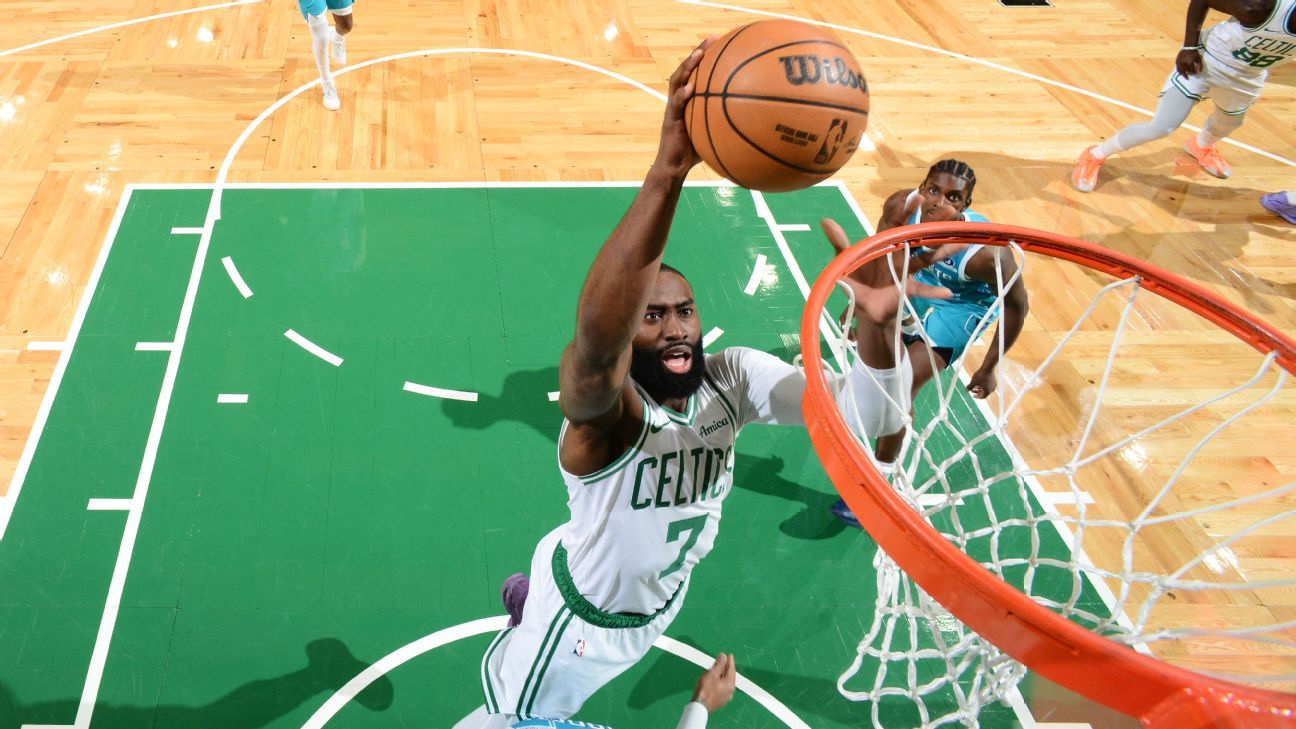
The NBA is in the midst of a speed revolution. With teams increasingly prioritizing fast breaks and quick possessions, the game has evolved into a frantic display of athleticism and scoring potential. However, a recent analysis by ESPN’s Zach Kram raises critical questions about whether this obsession with pace is actually hurting teams’ overall effectiveness on the court.
Kram’s findings suggest that while a faster game certainly captivates audiences, it may lead to less strategic play. Teams have embraced the concept that a higher tempo correlates with more scoring opportunities. The data, however, indicates that this isn’t necessarily the case. In fact, teams that favor quick possessions often struggle with execution, leading to a drop in shooting percentages and overall efficiency.
In the 2022-2023 season, teams averaged 100.3 possessions per game, a marked increase from previous years. This uptick has been linked to a surge in three-point attempts, with squads vying to capitalize on fast-break scenarios. But as the saying goes, "just because you can, doesn't mean you should."
Kram’s analysis points to a troubling trend: teams that play at the highest speeds tend to have some of the lowest offensive ratings. The rushed nature of their game means less time for thoughtful ball movement and defensive resets, ultimately leading to poor shot selections. The pressure to outrun opponents can often result in frantic, hasty plays instead of strategic, well-thought-out ones.
Consider the teams that exemplify this trend. The Sacramento Kings, who finished the 2022 season with the fastest pace, also had a mixed bag of results. Their high-speed style resulted in thrilling games that kept fans on the edge of their seats, yet they struggled to find consistency against more disciplined teams. Similarly, the Houston Rockets, embracing the “more shots, more wins” philosophy, often found themselves on the wrong end of blowouts when caught against teams that could outthink rather than outpace them.
As Kram notes, the NBA’s evolution into a faster-paced league isn’t entirely negative. Exciting plays can energize fans and bring fresh life to matchups. However, teams need to be cautious not to prioritize speed over substance. The crux of the issue lies in balance; while a team can effectively utilize speed to create scoring chances, they also need to remain grounded in fundamental basketball principles: strategy, execution, and timing.
The trend towards rapid play raises another concern: player health. The NBA’s grueling schedule, combined with the increased pace, may lead to higher injury rates. Players who are forced to sprint up and down the court with little time to recover are at risk of physical burnout or injury. Teams must consider their athletes' long-term health in their race to the top of the standings.
As we head into the heart of the season, teams need to evaluate their approach to pacing. The focus shouldn't be solely on how fast they can play but also on how effectively they can execute their game plan. Teams that can find the sweet spot—speed married to strategy—will likely emerge as the contenders.
In the end, the NBA’s love affair with pace may need some reevaluation. As teams continue to chase the thrill of fast-paced basketball, they should remember that in sports, sometimes slower is better. It’s time for franchises to assess whether the pursuit of speed is truly enhancing their game or simply leading them further away from winning.
The conversation around pace is far from over. With the season in full swing, fans will be watching closely to see which teams can find that elusive balance between tempo and tact. For now, it seems the NBA has a speedometer that may need recalibrating.
Tags
#NBA#sports analysis#pace of play#basketball#Zach Kram
Canadiens on the Brink: Can They Stay Alive in the Stanley Cup Playoffs?
The Montreal Canadiens face elimination in the Stanley Cup playoffs after a tough Game 4 loss, leaving fans anxious for a miracle recovery.
By Dex Monroe · 4 min read
15h ago
Frederik Andersen's Resilience: The Journey from Trials to Triumph
After overcoming significant hurdles, Frederik Andersen's evolution into the Carolina Hurricanes' MVP has been nothing short of remarkable.
By Dex Monroe · 4 min read
3d ago
NBA Trade Buzz: Six Potential Destinations for Ja Morant
As the NBA trade winds swirl, ESPN has put forth six intriguing proposals that could shake up the league. Where might Ja Morant land if the Memphis Grizzlies decide to make a bold move?
By Dex Monroe · 4 min read
4d ago
Game On: Keys to a Thrilling Game 3 in the Stanley Cup Playoffs
As the Stanley Cup playoffs heat up, all eyes are on Game 3. Here’s what to watch for as the teams battle for a crucial lead.