By Dex Monroe|April 1, 2026|April 1, 2026|3 min read|🤖 AI-assisted
Listen to article
TSMC's Capacity Crisis: Sold Out Until 2028 as Demand Soars
3 min listen
Taiwanese semiconductor giant TSMC is completely booked until 2028, raising concerns over supply shortages as tech giants scramble for cutting-edge chips.
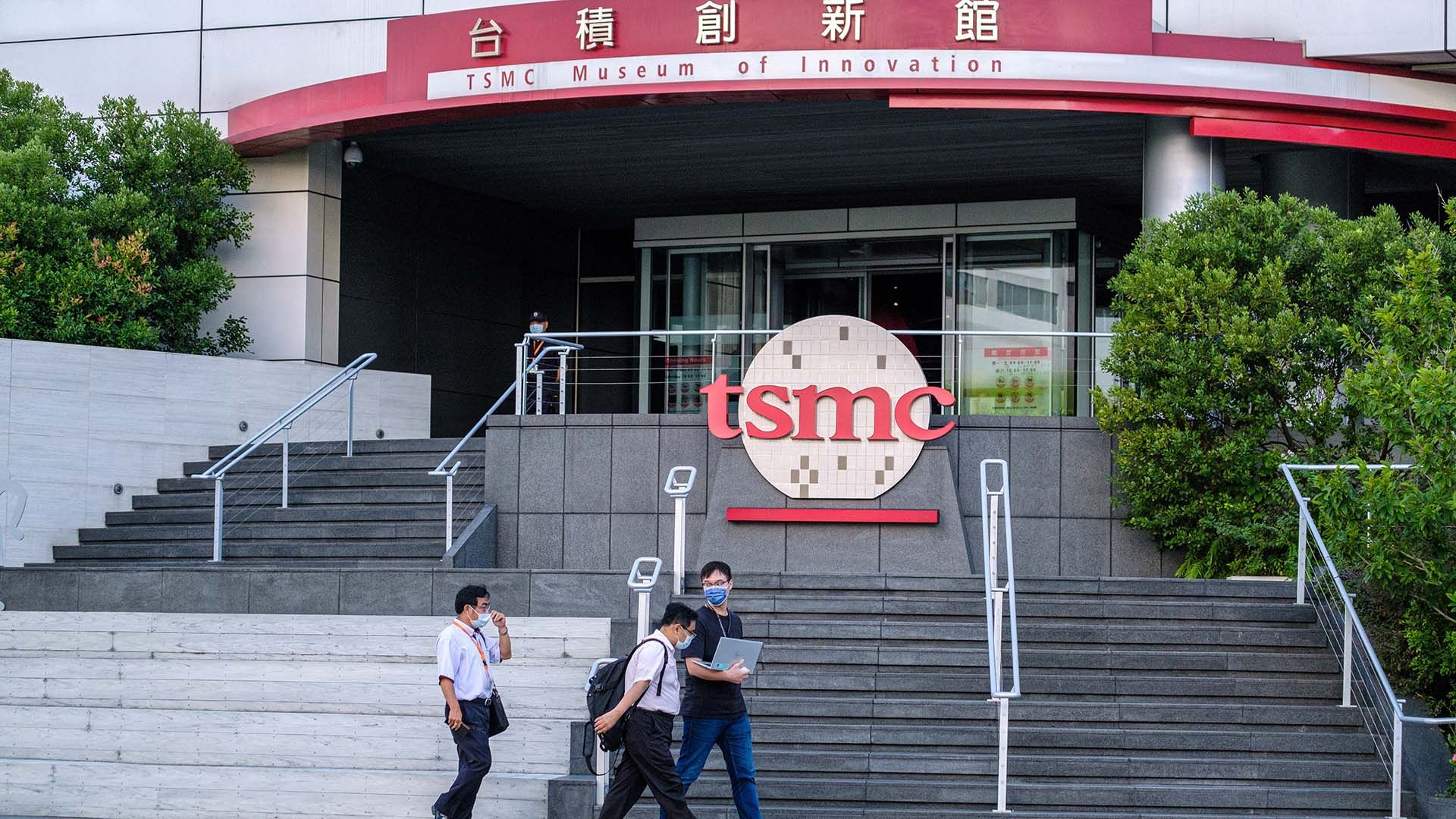
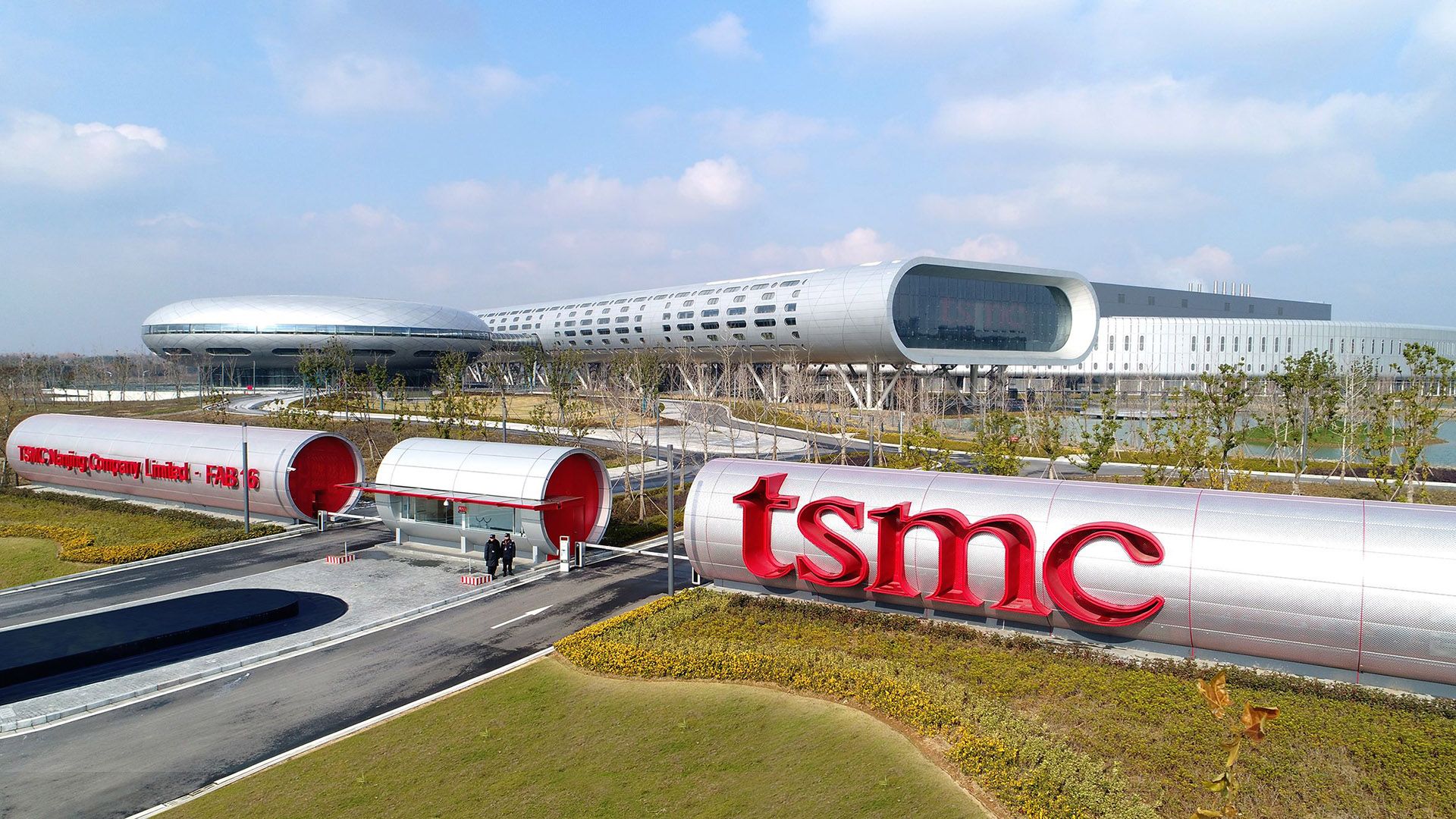
Taiwan Semiconductor Manufacturing Company (TSMC), the world’s leading contract chipmaker, has sent shockwaves through the tech industry by announcing that it is sold out until 2028. This unprecedented demand surge has left major corporations scrambling for resources, as the company anticipates a boom in orders from established tech giants and emerging AI-focused companies alike.
While TSMC's advanced N2 node technology is anticipated to support production for industry mainstays like Nvidia, Apple, AMD, and Intel, it’s also drawing attention from new players in the AI space, including Google and Amazon. The current landscape illustrates a dramatic shift in demand dynamics, positioning TSMC at the center of a high-stakes competition for semiconductor supremacy.
According to reports from South Korean outlet Chosun, TSMC’s capacity is so overwhelmed that even their planned fabs, including the highly-anticipated Arizona facility, are fully booked before construction has even commenced. The Arizona Fab 4 is earmarked for production of the cutting-edge N2 chips, which are expected to revolutionize the market. With mass production goals set for 2030, the early closure of reservations highlights both the urgency and intensity of the current chip demand scenario.
The implications of this capacity crisis are profound. As TSMC scrambles to expand its operational capabilities, it raises questions about potential supply chain disruptions that could impact everything from consumer electronics to automotive technology, especially as companies like Tesla and Nvidia pivot towards Samsung’s offerings amidst TSMC’s limitations.
Currently, TSMC commands a staggering 72% of the global foundry market, starkly overshadowing Samsung's mere 7%. This dominance is a testament to TSMC's cutting-edge technology and commitment to innovation, but it also creates a precarious situation as they grapple with unprecedented demand and the limitations of their production timelines.
Market analysts are cautiously optimistic about TSMC’s ability to navigate this crisis. The company is reportedly ramping up efforts to secure additional manufacturing capacity, including the development of future nodes beyond the N2. However, the timeline for these expansions suggests that any relief may be years away. The A14 node, targeting production around 2028, is notably distant in a fast-evolving tech landscape.
As TSMC focuses on its advanced nodes in Taiwan, questions about the viability of its Arizona operations also arise. The early selling out of Fab 4 raises eyebrows about how well TSMC can balance its domestic and international manufacturing priorities while maintaining its position as a leader.
While TSMC and Samsung are the only players currently capable of delivering 2 nm chip technology, the competition is heating up. Intel, for example, is making strides with its 18A and 14A nodes, though the company is yet to publicly announce substantial external clientele for its foundries. This strategic maneuvering could shift the landscape if TSMC cannot meet the surging demand in the interim.
The growing reliance on semiconductor technology in various sectors, especially with AI's emergence, places TSMC in a unique and challenging position. As the demand for chips continues to proliferate, the market will closely watch how TSMC adapts to this unprecedented situation and how competitors position themselves in a bidding war for silicon supremacy.
With the tech industry on the brink of a revolution driven by AI and next-gen devices, the pressure is on TSMC to leverage its lead in innovation while expanding its capacity to meet the needs of an increasingly tech-savvy world. As the clock ticks toward 2028, all eyes will remain fixed on the semiconductor giant to see how it navigates this challenging terrain. The stakes have never been higher, and the outcome could reshape the entire tech ecosystem.
Xbox Game Pass Price Cut Sparks Subscriber Revival, Says Asha Sharma
Microsoft’s price cut for Xbox Game Pass is reportedly boosting subscriber activity, but new head Asha Sharma warns it’s just the beginning of a long journey.
By Dex Monroe · 4 min read
2d ago
AI Tensions Erupt at The New York Times as Unionized Tech Workers Push Back
Unionized tech employees at The New York Times are raising alarms over the use of AI performance tracking tools, claiming violations of their contract as tensions escalate within the newsroom.
By Dex Monroe · 4 min read
3d ago
Racing Game Revolution on the Horizon? Gavin Raeburn's Bold New Venture
Playground Games co-founder Gavin Raeburn hints at a new chapter in racing games, aiming to challenge the dominance of Forza Horizon while pushing the genre forward.
By Dex Monroe · 4 min read
3d ago
TSMC Workers Threaten Strike Over Bonus Cuts Amid Record Profits
Employees at TSMC are rallying against proposed bonus cuts despite the company's booming profits, echoing labor unrest at Samsung in South Korea.