By Dex Monroe|March 31, 2026|March 31, 2026|3 min read|🤖 AI-assisted
Listen to article
TSMC's Chip Capacity Fully Booked Until 2028: What It Means for the Tech Industry
0:00 / 0:00
Taiwanese semiconductor giant TSMC is reportedly sold out until 2028, impacting major players like Nvidia and Apple while potentially setting the stage for Samsung to make a move.
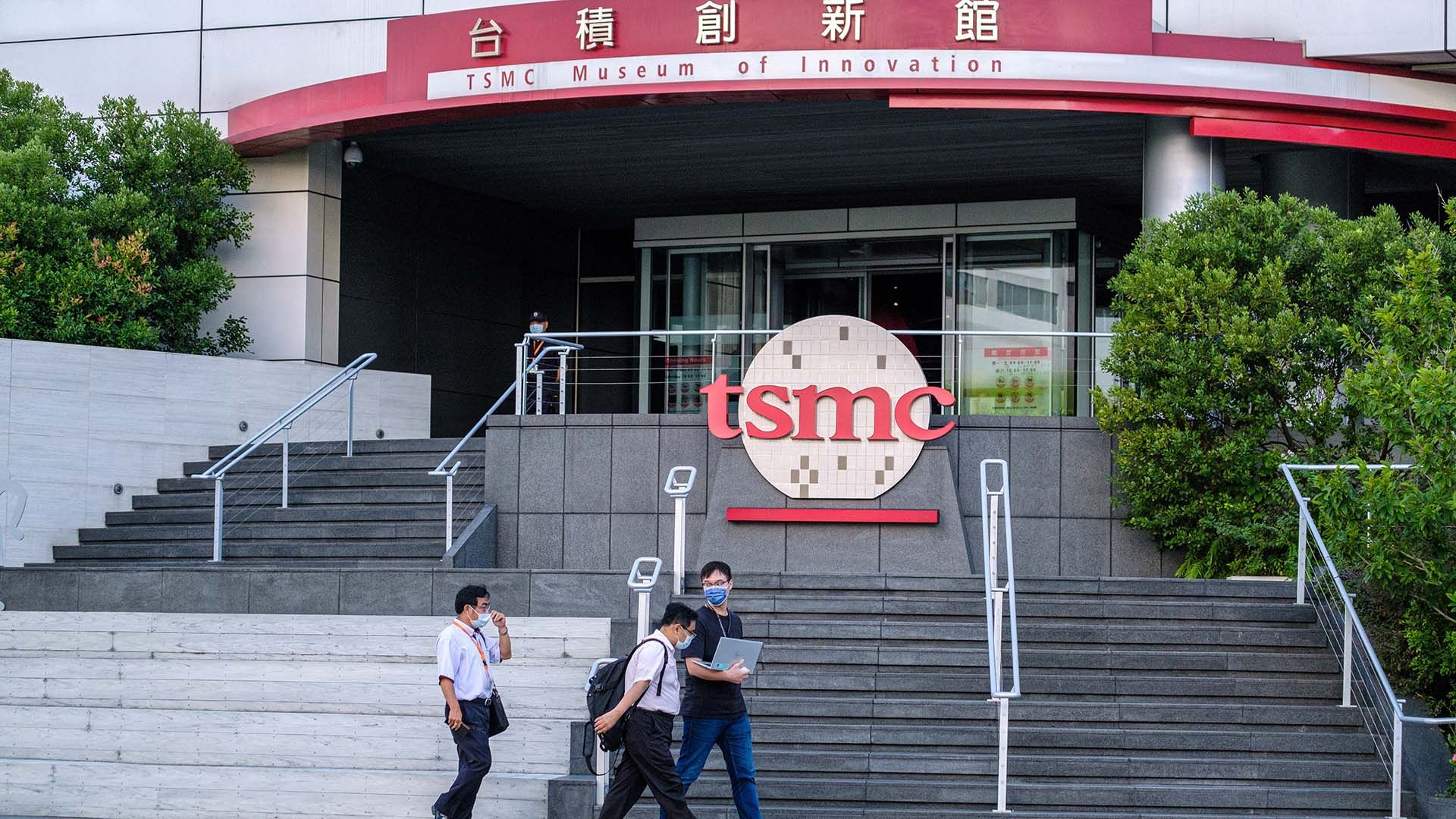
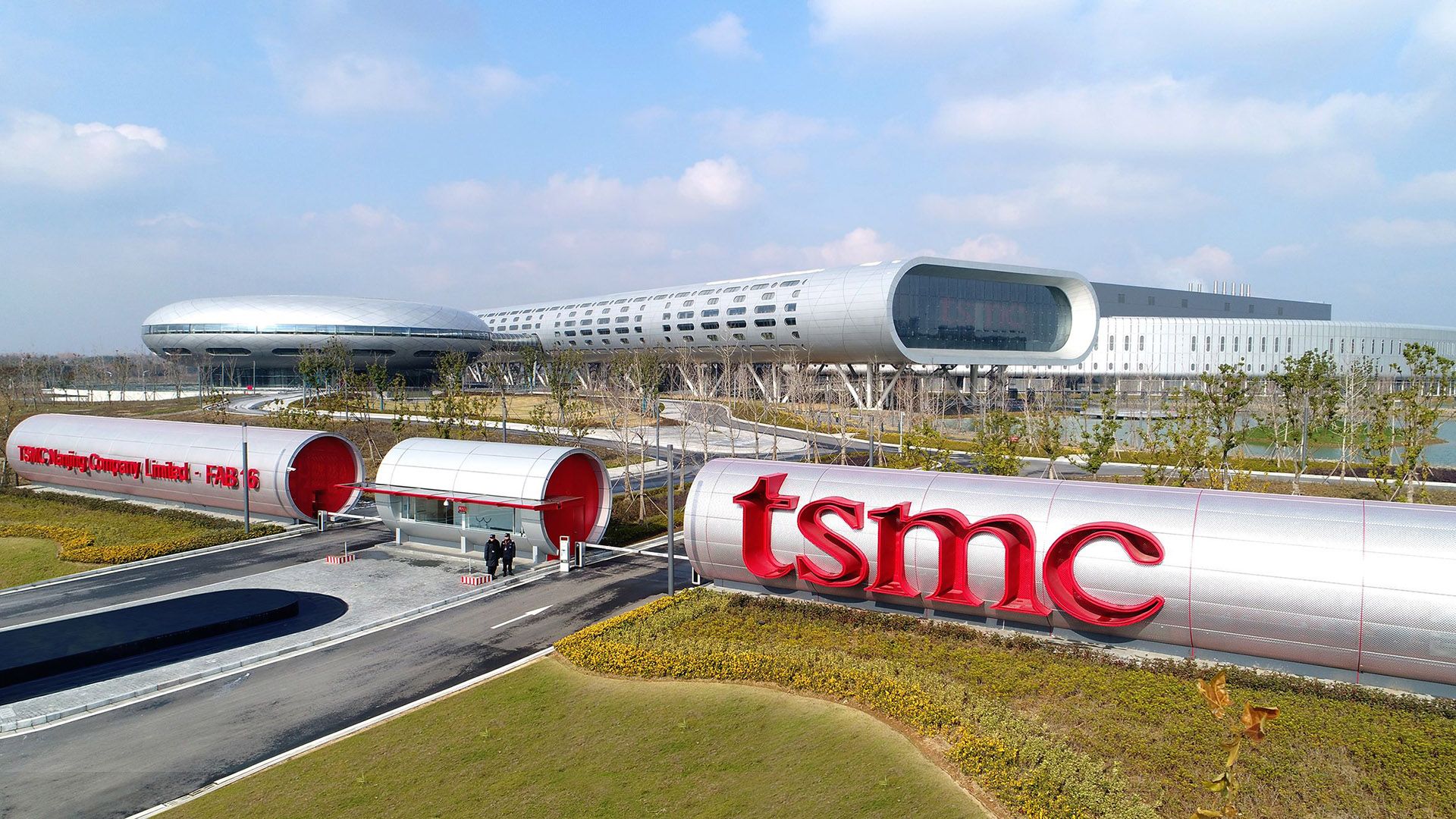
In a significant development for the global tech industry, Taiwan Semiconductor Manufacturing Company (TSMC) has reportedly reached full capacity through 2028, leaving major players in the chip-manufacturing game scrambling for solutions. This unprecedented demand signals a major shift in the semiconductor landscape, likely setting the stage for increased competition as alternatives emerge.
According to a report from South Korea's Chosun, TSMC's advanced N2 node technology—a critical component for companies like Nvidia, Apple, AMD, and Intel—is already completely booked, even as the company prepares for future expansion with new fabs in Arizona. The report claims that reservations for TSMC's fourth Arizona plant, slated to start mass production by 2030, are already closed before construction has even begun.
The surge in demand isn't just from established tech giants. Newer entrants powered by the booming AI sector, including Google and Amazon, are joining the fray, intensifying the competition for chip resources. This influx of interest could lead to a supply crunch that affects not only the companies directly involved but also consumers awaiting the next generation of tech products.
TSMC currently dominates the global chip foundry market, holding a staggering 72% share, while its nearest competitor, Samsung, lags at only 7%. The implications of TSMC's capacity constraints could open doors for Samsung to increase its market share, as companies may seek alternative foundries to fulfill their production needs.
The shift in chip manufacturing dynamics underscores the broader challenges within the tech sector, particularly as companies race to keep up with the demands of modern computing, including artificial intelligence and data processing needs that require cutting-edge technology. With TSMC reserving its latest innovations primarily for its factories in Taiwan, it raises questions about the longevity of their technology and how companies will navigate the current landscape.
While TSMC’s N2 node technology is not expected to become widely available until later this decade, the semiconductor leader is already eyeing the future, with plans for the A14 node to follow suit. Mass production for the A14 is anticipated to begin around 2028, but it remains to be seen how the market will evolve in the interim, particularly amid the rising tide of AI-driven demand.
Intel's competitive stance, particularly with its 18A and 14A nodes, also adds another layer of complexity. Despite Intel's ambitious plans, the company has been cagey about announcing external customers for its foundries, raising questions about its market strategy as TSMC and Samsung continue to dominate.
As TSMC continues to expand its facilities and ramp up production, the immediate future will likely see an increased focus on securing chip supplies and possibly higher prices as companies vie for limited resources. With key players like Tesla and Nvidia already tapping into Samsung's latest fab technology, the semiconductor landscape is poised for potential shifts that could redefine industry alliances and competition.
In conclusion, TSMC's sold-out status through 2028 serves as a wake-up call for tech companies and consumers alike. As the demand for advanced semiconductors surges, the ripple effects will challenge established market dynamics, potentially reshaping the future of technology innovation. As companies maneuver to secure their place in an increasingly competitive marketplace, one thing is clear: the race for chip dominance is heating up, and the fallout from TSMC's capacity constraints is just beginning.
Xbox Game Pass Price Cut Sparks Subscriber Revival, Says Asha Sharma
Microsoft’s price cut for Xbox Game Pass is reportedly boosting subscriber activity, but new head Asha Sharma warns it’s just the beginning of a long journey.
By Dex Monroe · 4 min read
2d ago
AI Tensions Erupt at The New York Times as Unionized Tech Workers Push Back
Unionized tech employees at The New York Times are raising alarms over the use of AI performance tracking tools, claiming violations of their contract as tensions escalate within the newsroom.
By Dex Monroe · 4 min read
3d ago
Racing Game Revolution on the Horizon? Gavin Raeburn's Bold New Venture
Playground Games co-founder Gavin Raeburn hints at a new chapter in racing games, aiming to challenge the dominance of Forza Horizon while pushing the genre forward.
By Dex Monroe · 4 min read
3d ago
TSMC Workers Threaten Strike Over Bonus Cuts Amid Record Profits
Employees at TSMC are rallying against proposed bonus cuts despite the company's booming profits, echoing labor unrest at Samsung in South Korea.